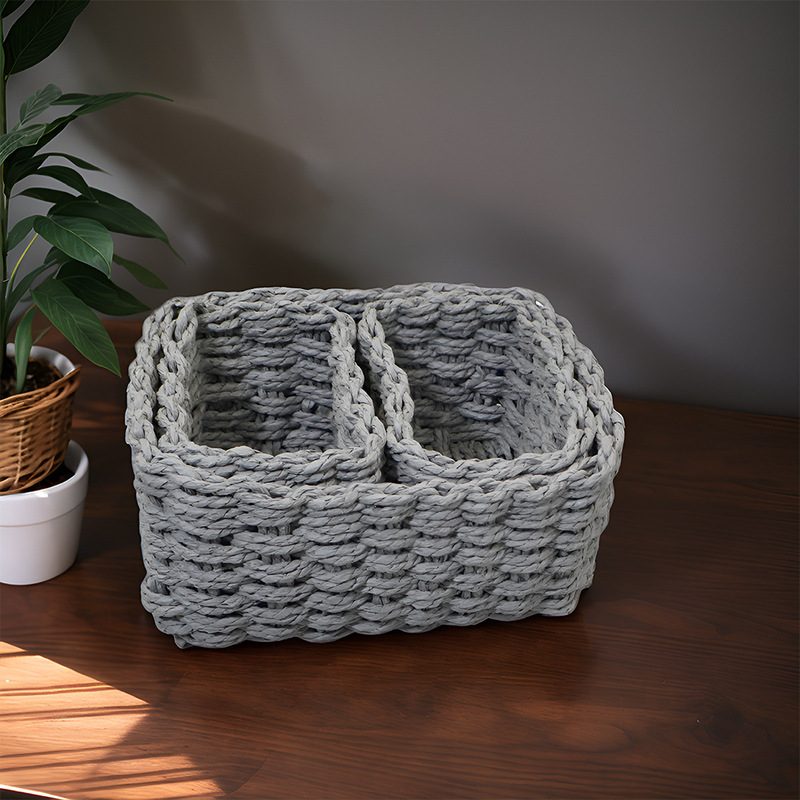
Linen Closet Organization: Sizing Bins to the Shelf
Most linen closets are not short of space — they are full of bins that are the wrong depth for the shelf. Two measurements fix it before you buy anything.
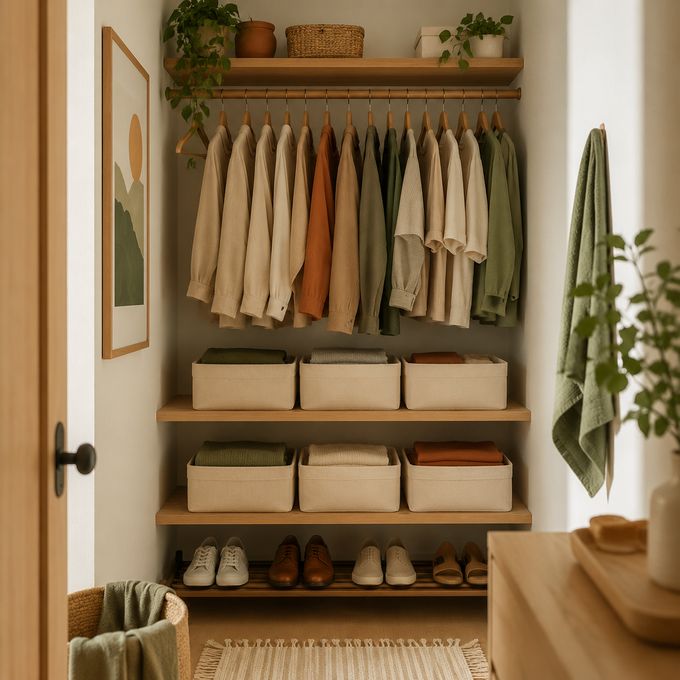
A linen closet fails in a predictable way: bins that stick out past the shelf edge so the door will not shut, and stacks so tall the top sheet comes down with the one you wanted. Neither is a storage problem. Both are a sizing problem.
Measure two things. First the shelf depth, front edge to back wall — a typical built-in linen shelf runs shallower than a kitchen cabinet, which is why kitchen bins overhang. Second the vertical gap between shelves. Buy bins about an inch shallower than the shelf and about two inches shorter than the gap, so you can tilt a bin out without lifting it clear. Everything below follows those two numbers.
What we recommend
Step 1 — Match the shelf depth
Shelf bins and baskets
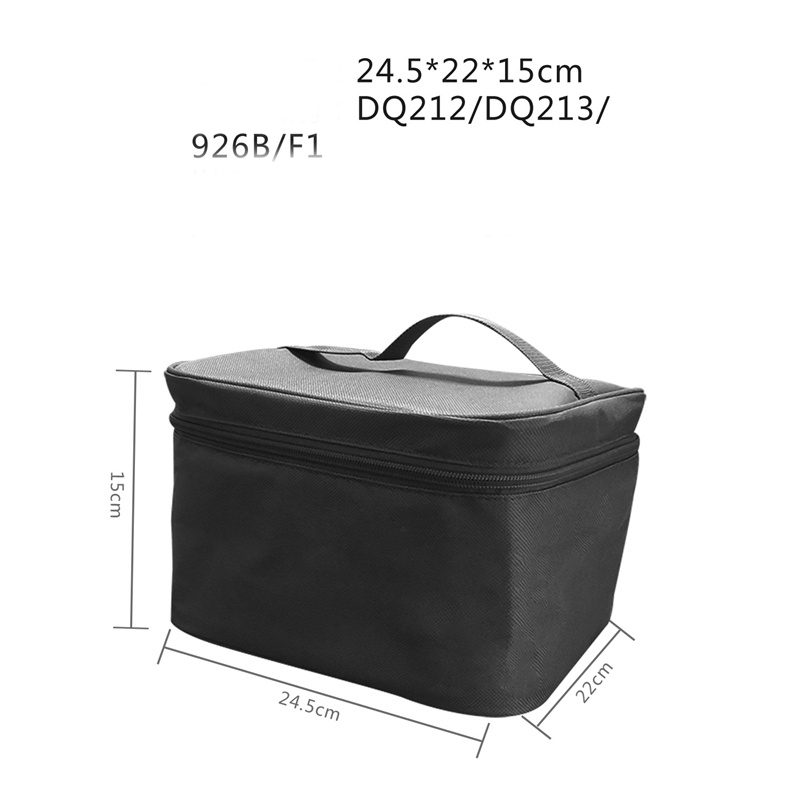
Open baskets sized to sit fully on the shelf, so the door closes and nothing overhangs the edge.
Step 2 — Stop the stack toppling
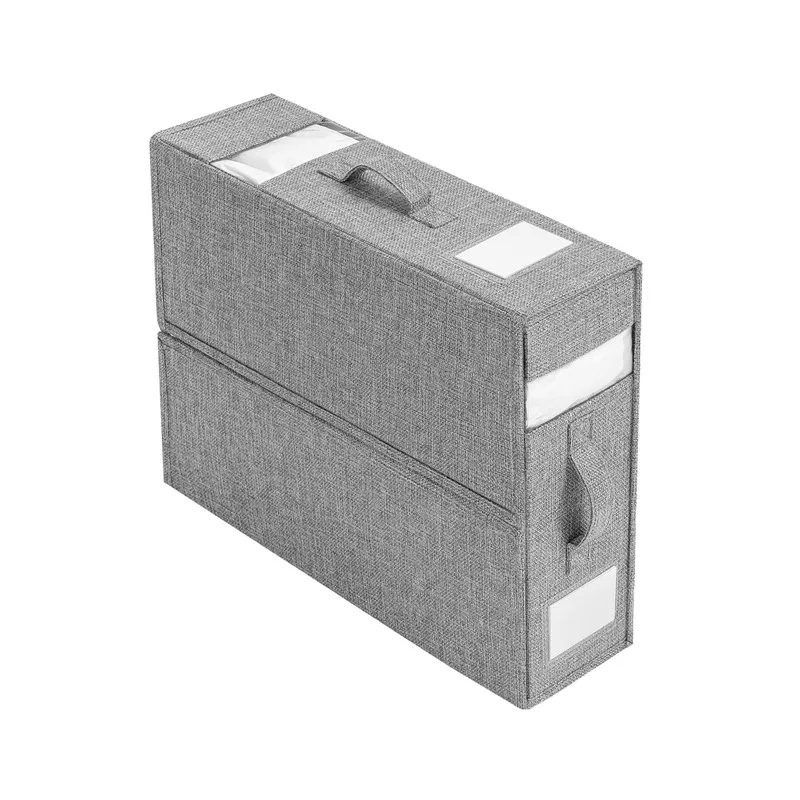
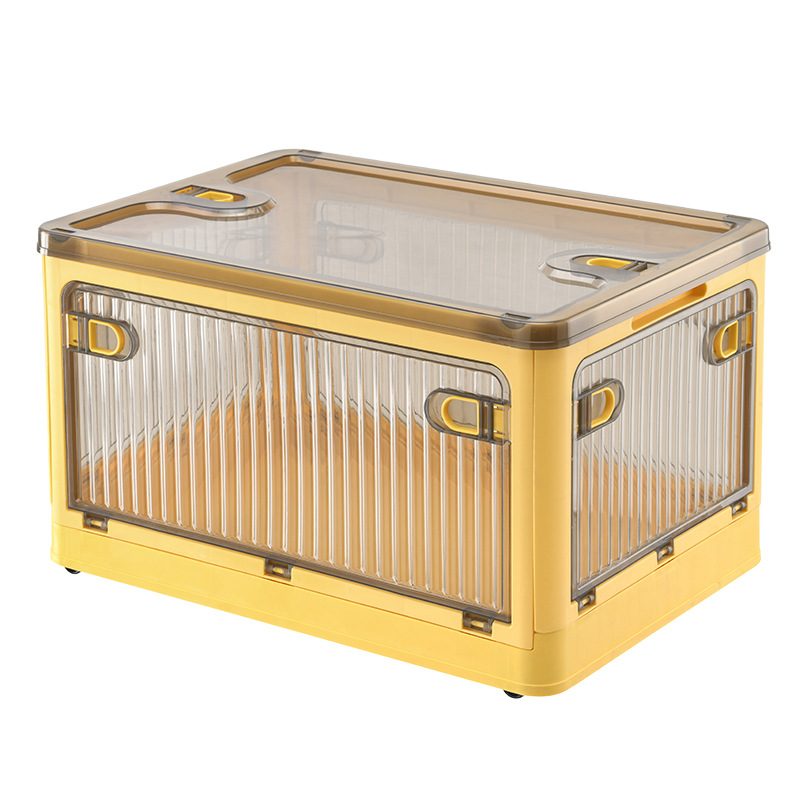
Dividers and stackable boxes
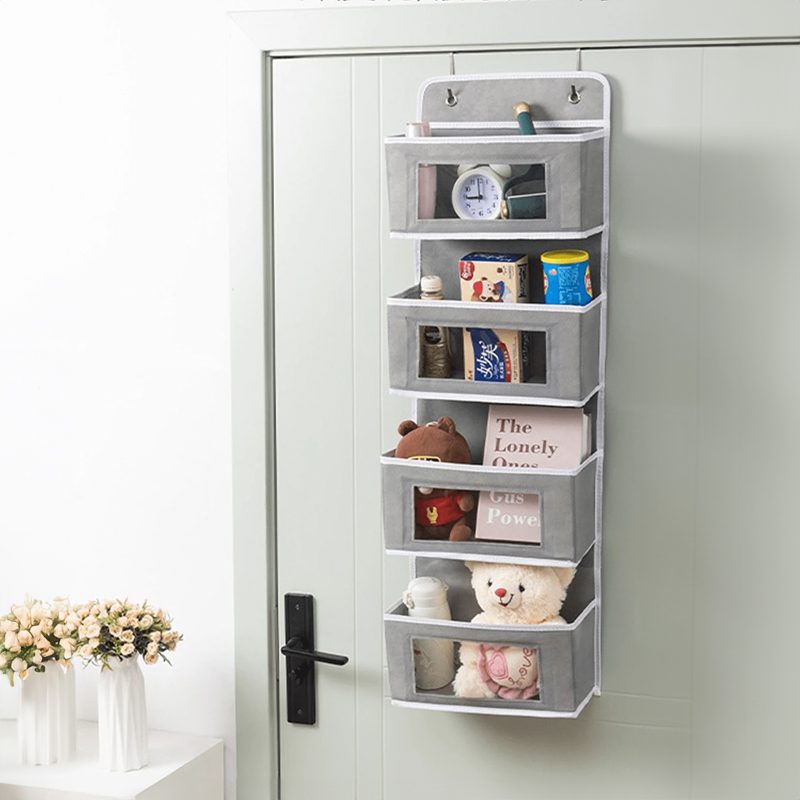
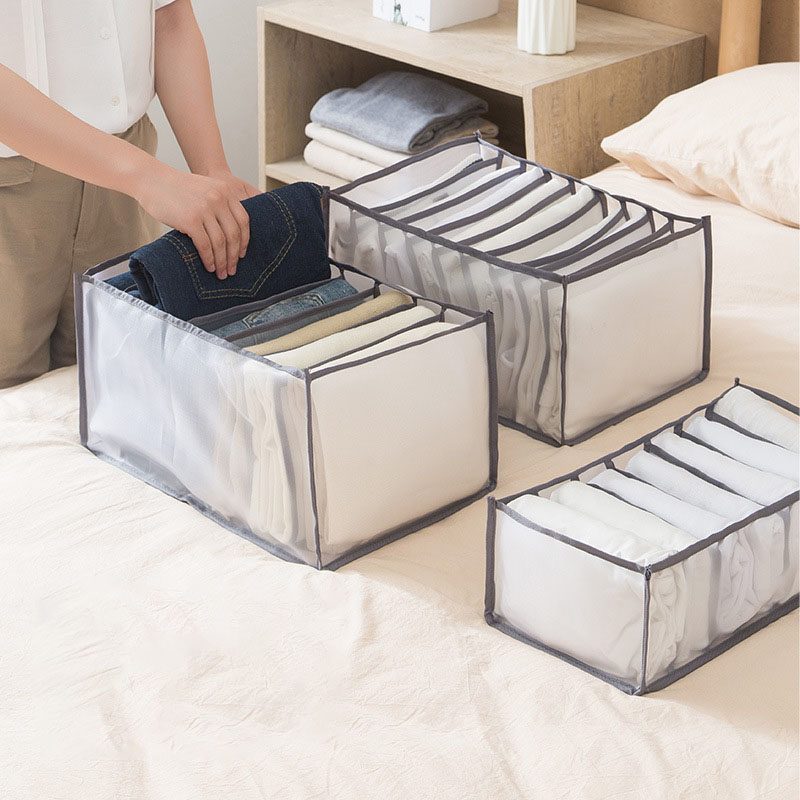
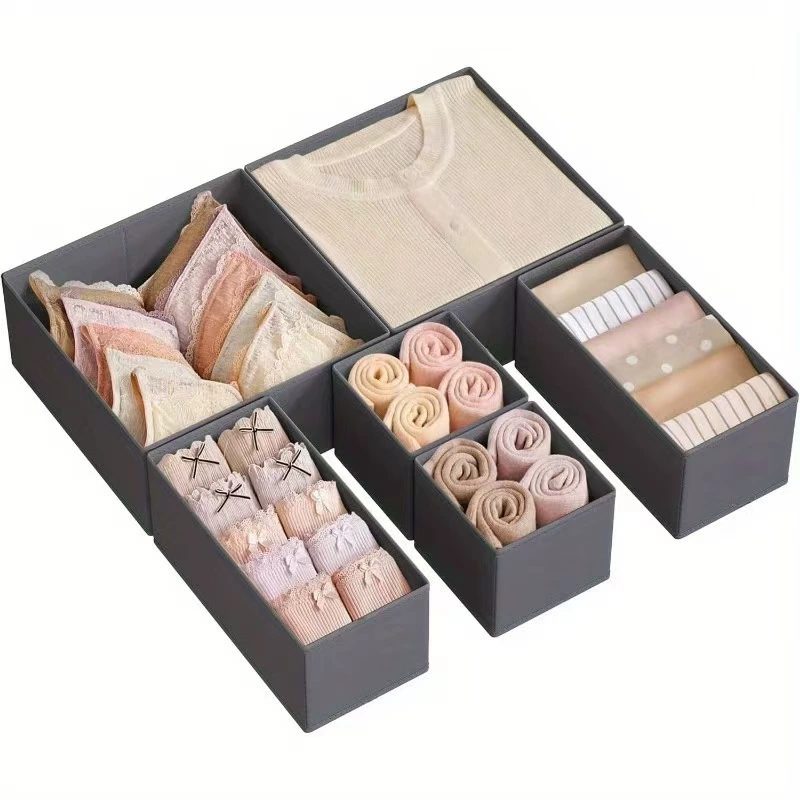
Sheet sets stay in sets when each one has a walled compartment instead of a shared pile.
Step 3 — Get the bulky bedding off the shelf
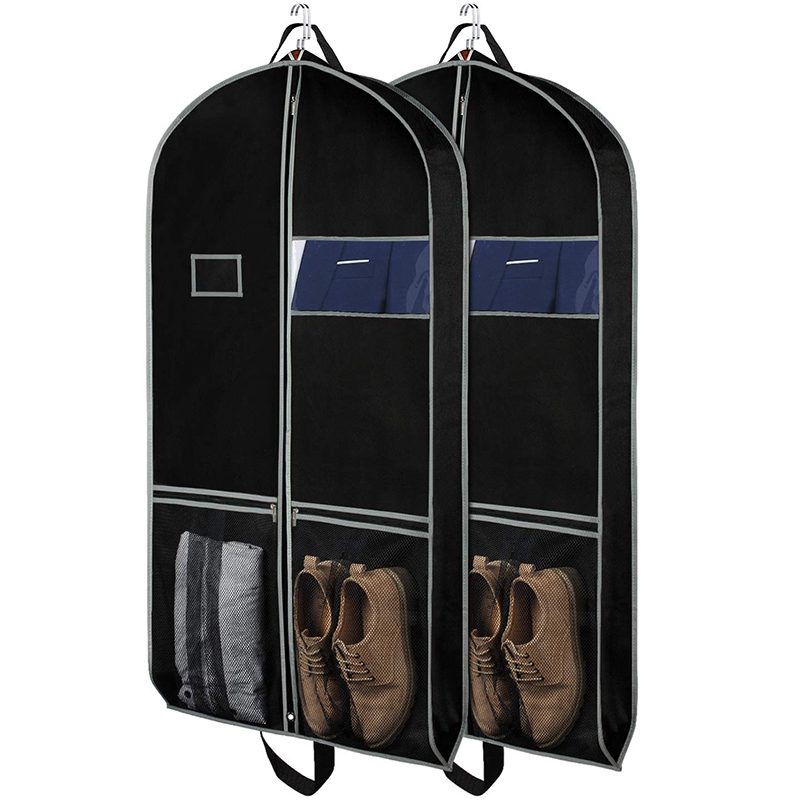
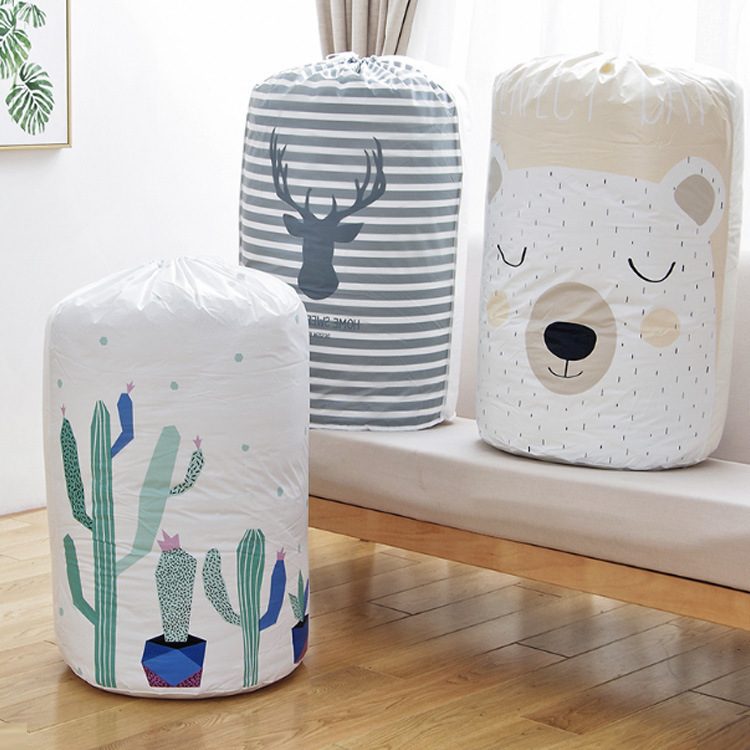
Duvet and seasonal bedding bags
Spare duvets and winter blankets are what actually fill a linen closet. Compressed into bags they move to the top shelf and stop competing with the towels.

Frequently asked questions
What size bins fit a linen closet?
Measure the shelf front-to-back and buy bins about an inch shallower, so nothing overhangs the edge and the door still shuts. Then measure the vertical gap between shelves and stay about two inches under it, so you can tilt a bin out instead of lifting it clear of the shelf above.
How do I stop sheet sets from getting mixed up?
Store each set inside its own pillowcase, or give each set a walled compartment. The pile gets mixed because there is nothing separating one set from the next — a divider or an individual box fixes it permanently, folding technique does not.
Where should spare duvets and blankets go?
On the top shelf, in compression or zip-top bags. Bulky bedding is what fills a linen closet, and it is also the thing you reach for least often — moving it up and squeezing the air out usually reclaims an entire shelf for the towels and sheets you use weekly.