Pantry Organization: Decant, Tier, Bin — Ideas for a Small Kitchen
Pantry organization is three moves in this order — decant, tier, bin — and none of them needs a renovation. Do them in that order and even one cabinet holds more and wastes less.
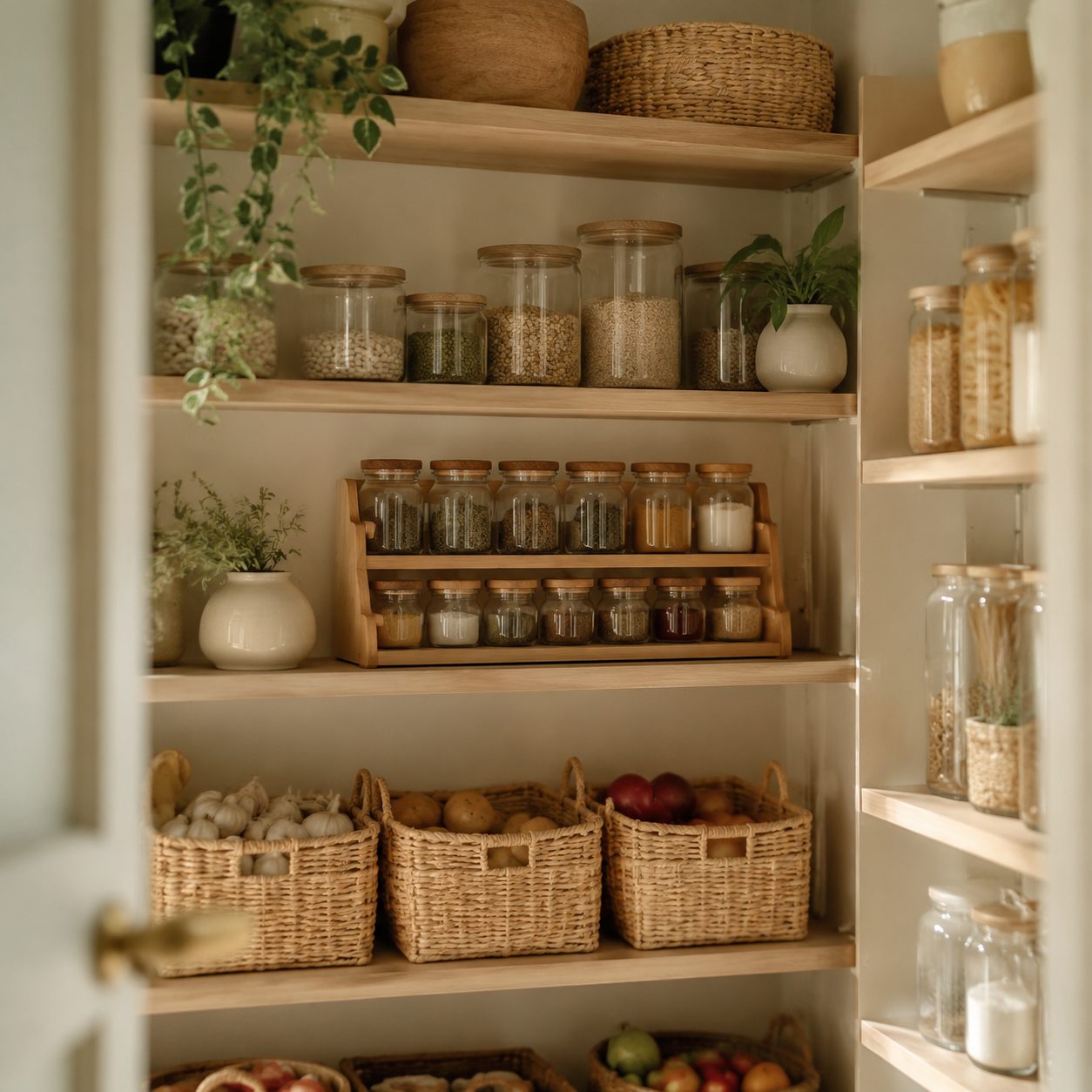
Most pantry chaos is the same three failures: bags that won't stand up, a back row you can't see, and loose packets with no home. Fix those and even a single cabinet holds more and wastes less food.
The order matters: decant dry goods into airtight canisters so you can see what's running low, tier the shelves so the back row is visible, then bin the odd packets by type. Here's the kit for each step, pulled from the kitchen and pantry storage in our catalog.
What we recommend
Step 1 — Decant
Airtight canisters & jars
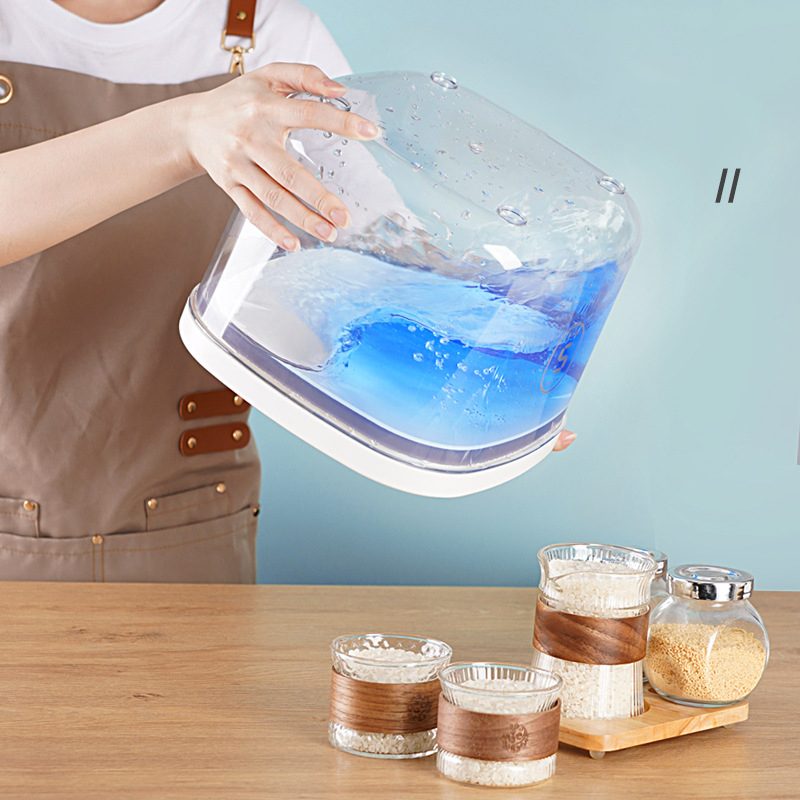
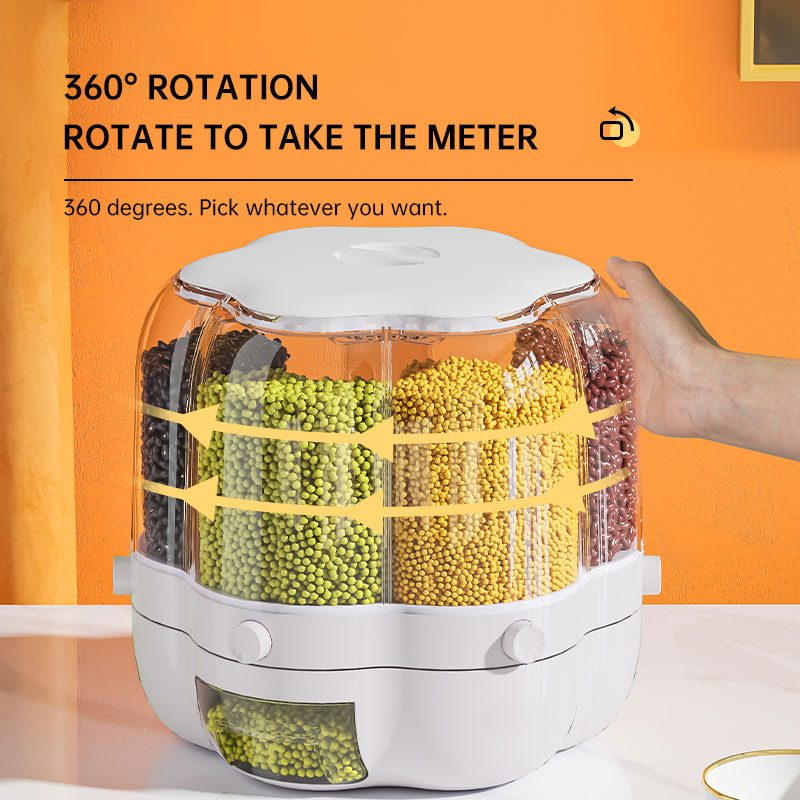
Pour cereal, flour, pasta and snacks into clear canisters so you can see what's low at a glance — and bags stop toppling.

Step 2 — Tier the shelves
Step racks & shelf risers
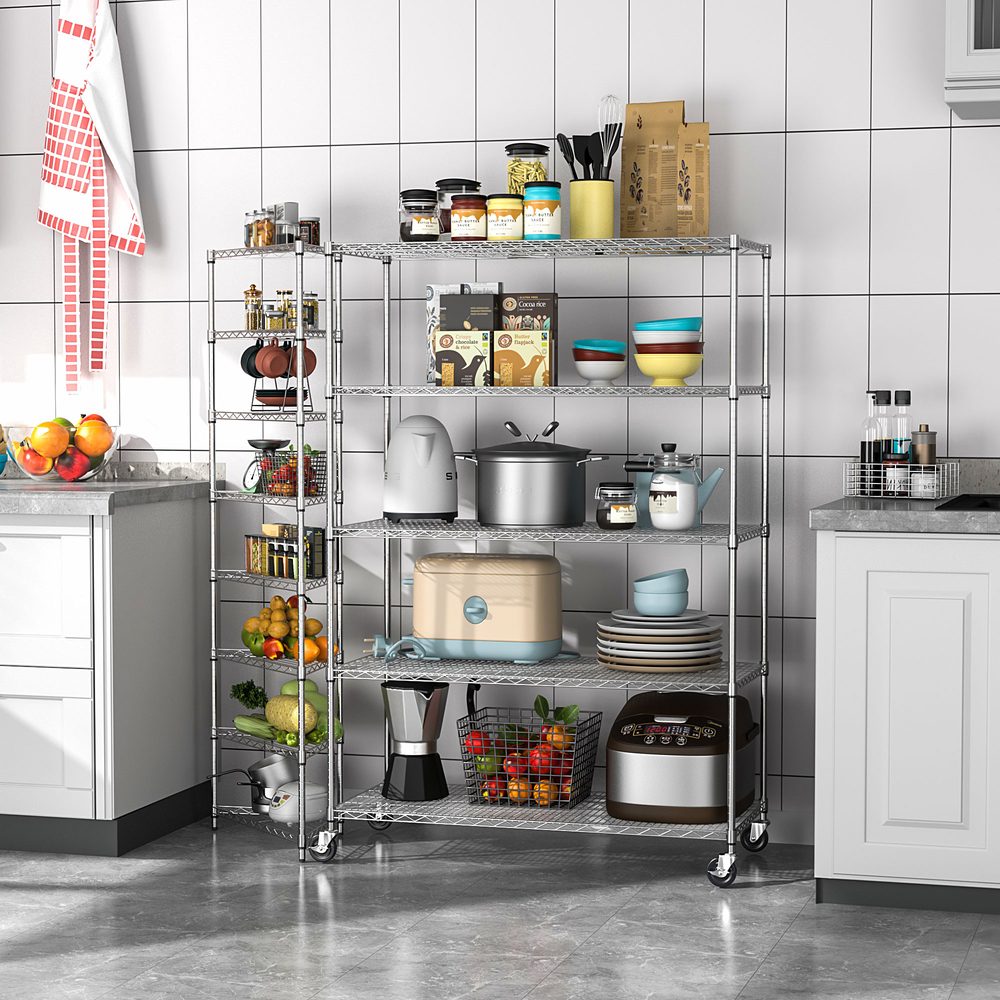
Make the back row visible so nothing expires unseen behind a wall of cans.
Step 3 — Bin the rest
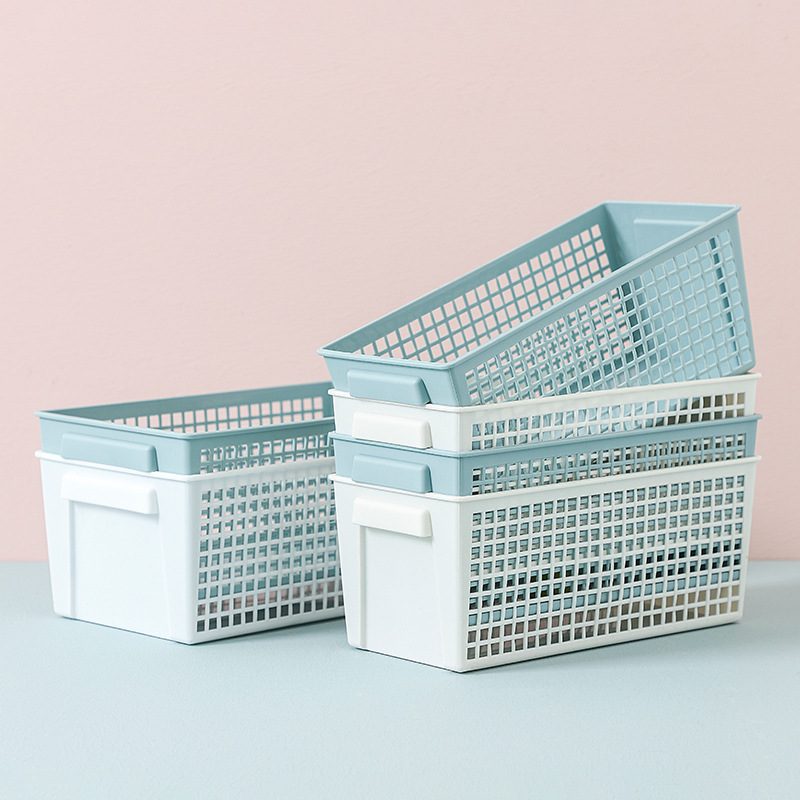
Pantry bins & baskets
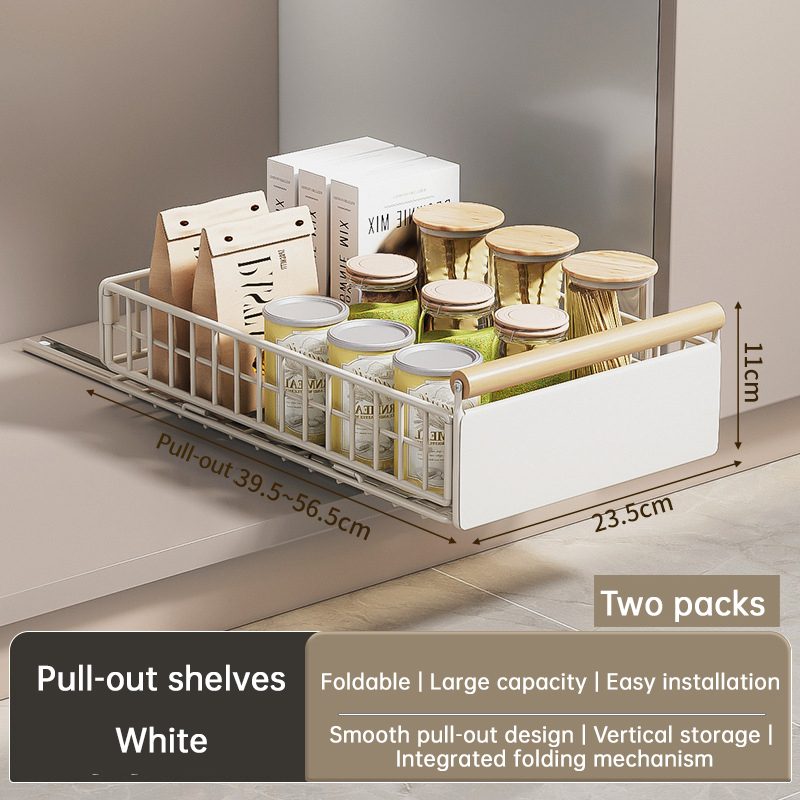
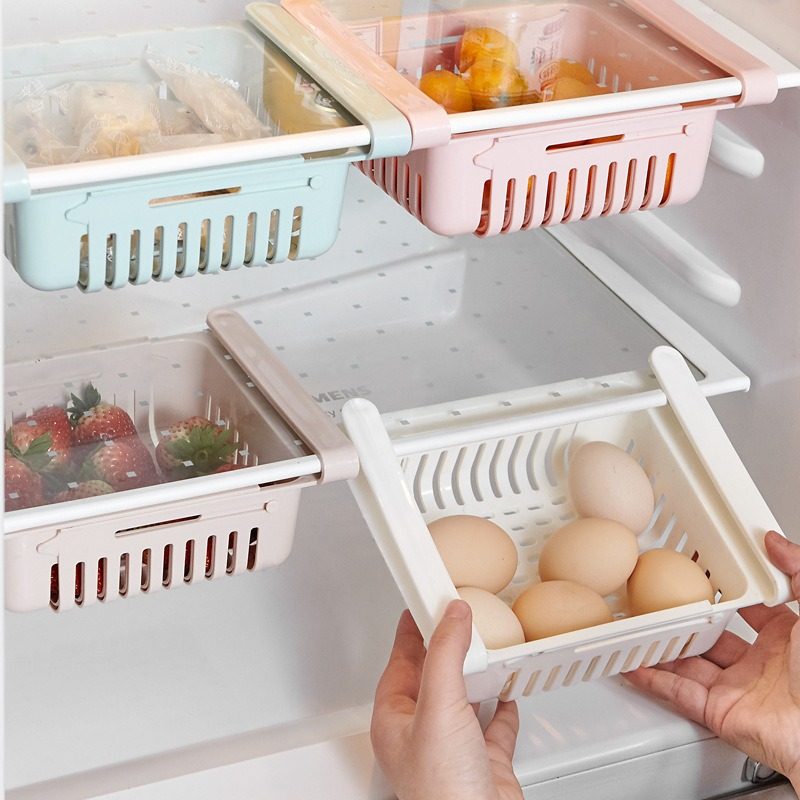
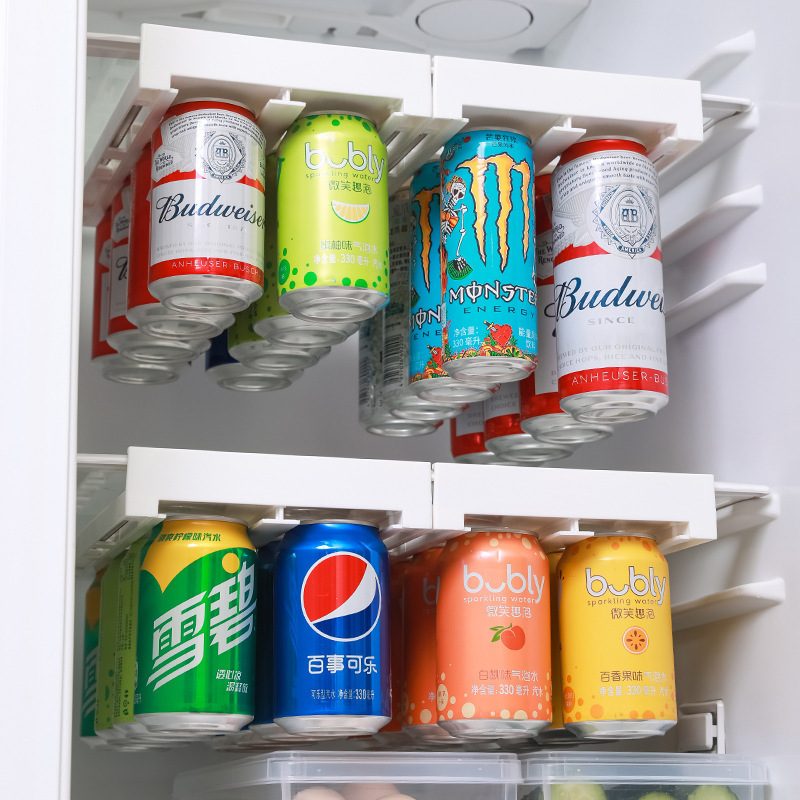
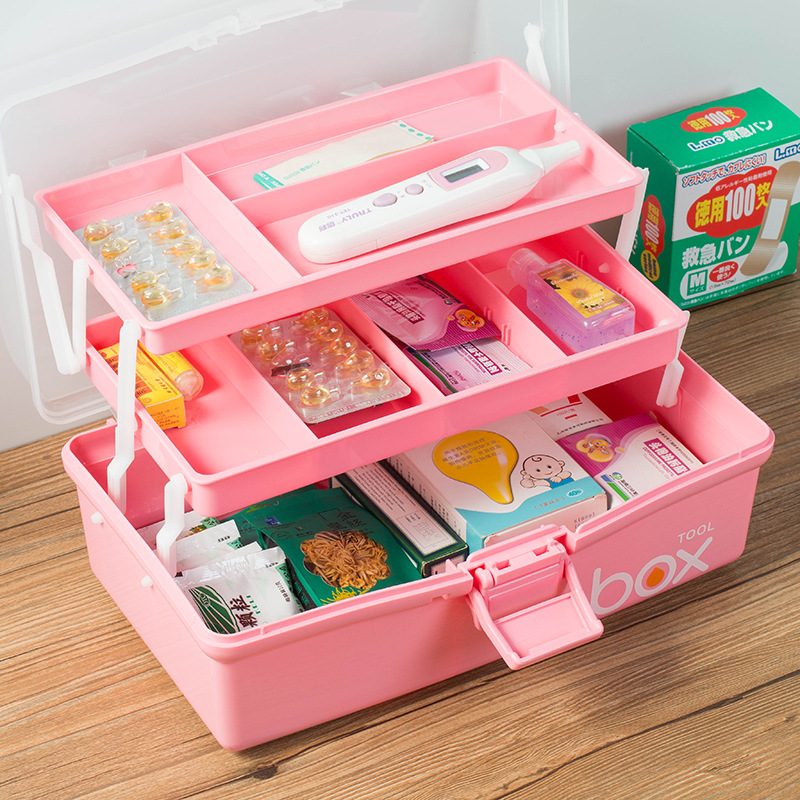
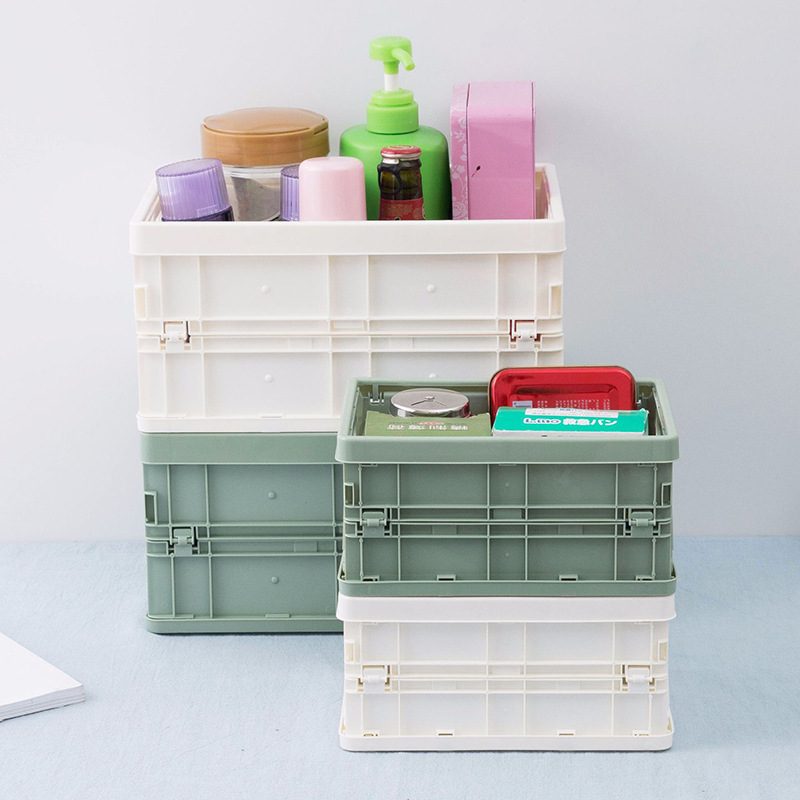
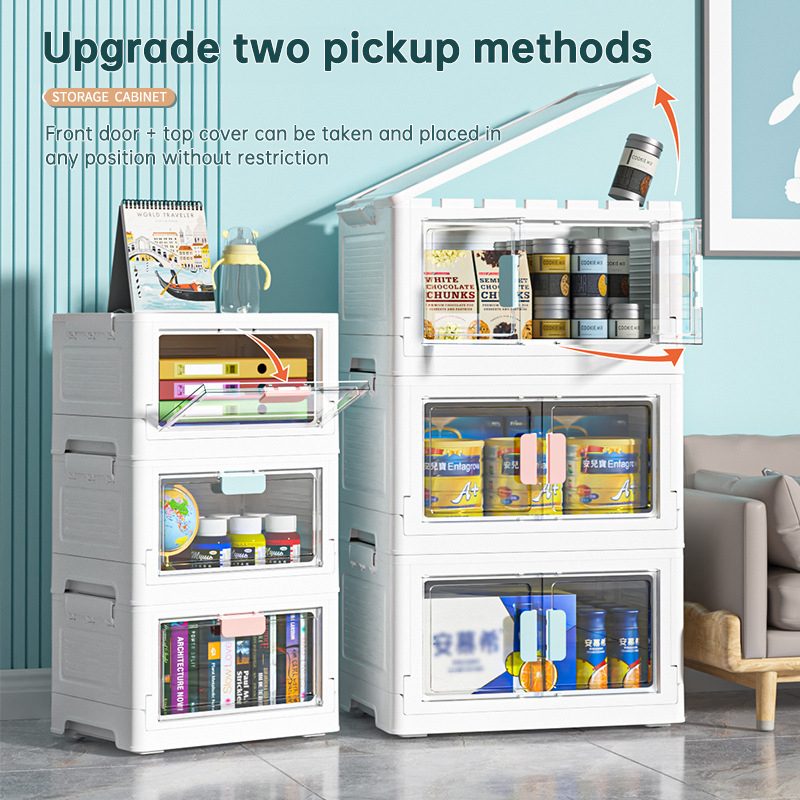
Group snacks, baking and packets into pull-out bins so nothing gets lost at the back.
Frequently asked questions
How do I organize a small pantry?
Work in three moves: decant dry goods into airtight canisters, add a tiered shelf or riser so the back row is visible, and group loose packets into labelled bins by type. Do them in that order — decanting alone reclaims a surprising amount of shelf a small pantry was wasting on half-empty bags.
Are airtight canisters worth it for a pantry?
For anything you buy in bags — cereal, flour, rice, pasta, snacks — yes. They stack squarely (bags don't), keep pests and staleness out, and let you see what's running low so you don't rebuy what you already have. For cans and jars you can already see, skip them and just tier the shelf.